Efficiency and resilience: Key drivers of distribution network growth
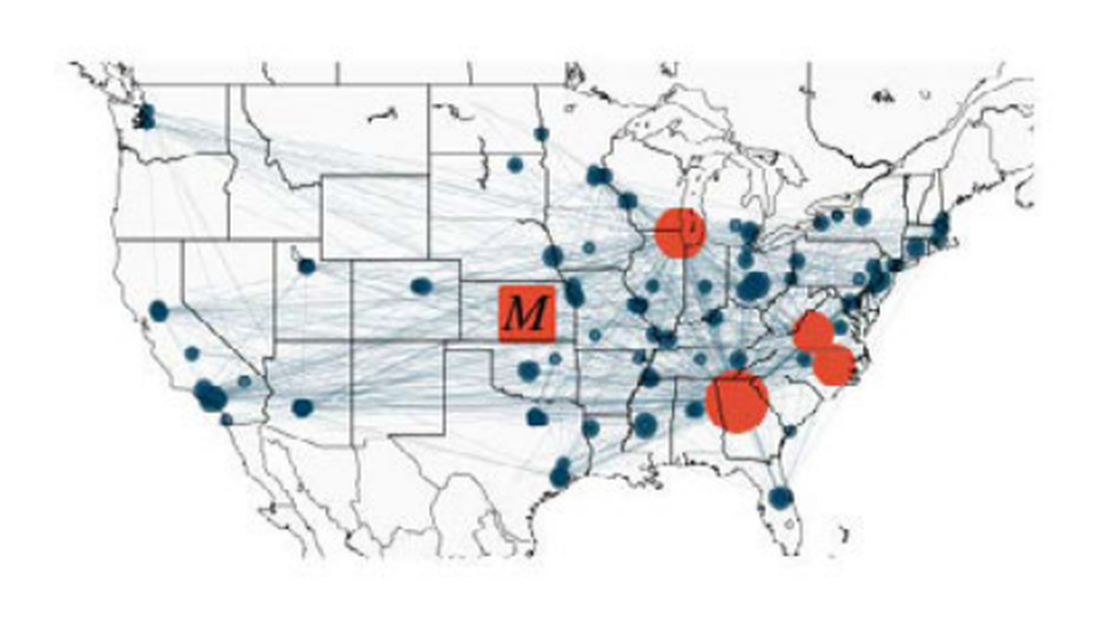
Distribution networks, which supply goods from manufacturers to final buyers, are crucial for a functioning economy. A network model is proposed to describe the emergence and growth of these networks. The model considers two firm-level practices: centralization and multi-sourcing. Centralization enhances network efficiency by using short distribution paths, while multi-sourcing fosters resilience by providing multiple distribution paths. The model was validated using data on drug shipments in the US, and it successfully replicates several structural features of the empirical networks, including their out-degree and path length distributions, as well as their resilience and efficiency properties. The findings suggest that the proposed firm-level practices effectively capture the network growth process that leads to the observed structures.
Read More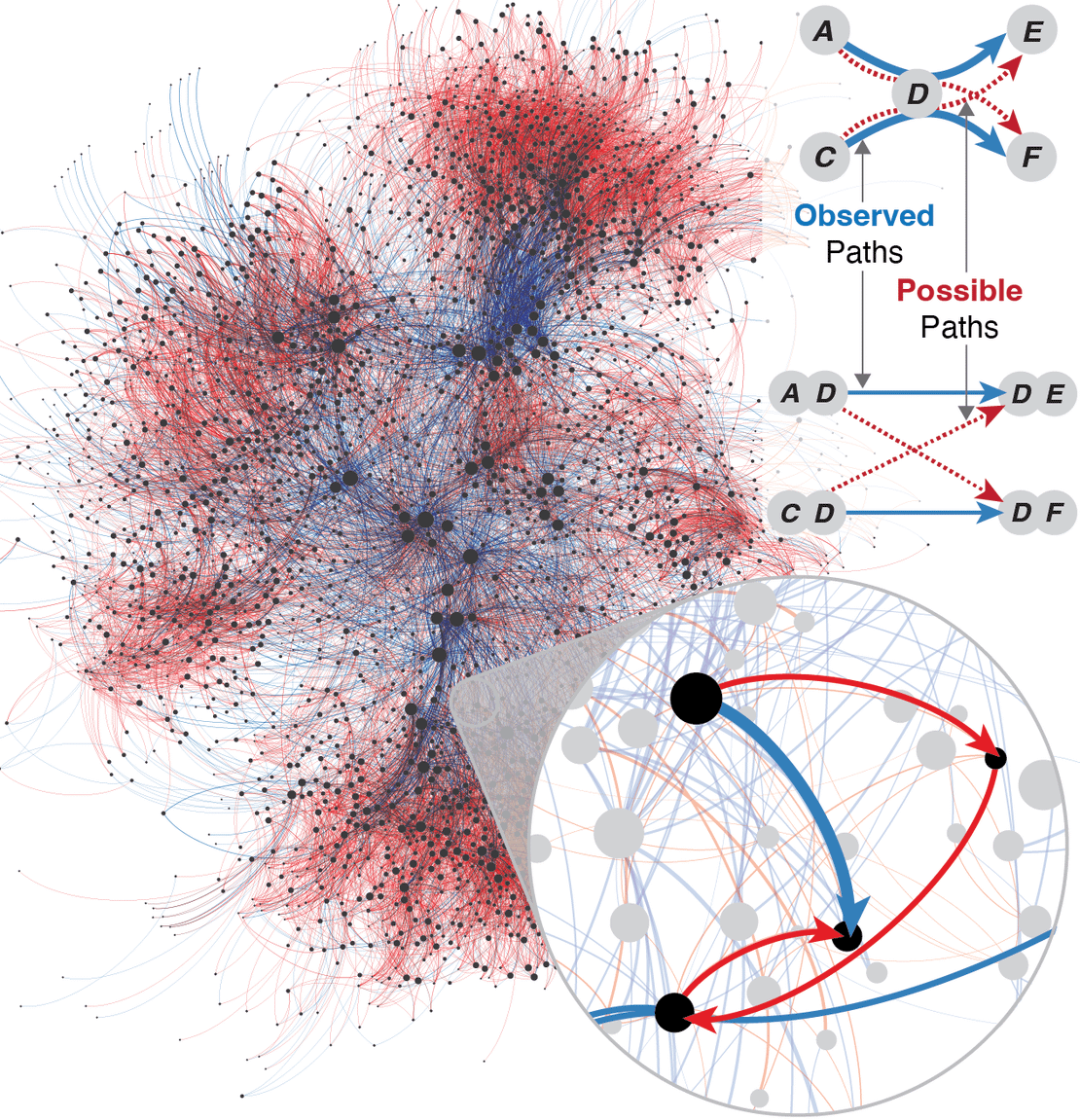
Modeling the impact of environmental consciousness on the supply-demand relationship between firms and customers
The study models the impact of environmental consciousness on the supply-demand relationship between firms and customers. Environmental consciousness can lead to supply-demand deficits, but customers forming unconditional supply links and firms improving their environmental-friendly production can mitigate these deficits. The results show that this approach can inform policies to reduce both supply-demand deficits and environmental pollution.
Read More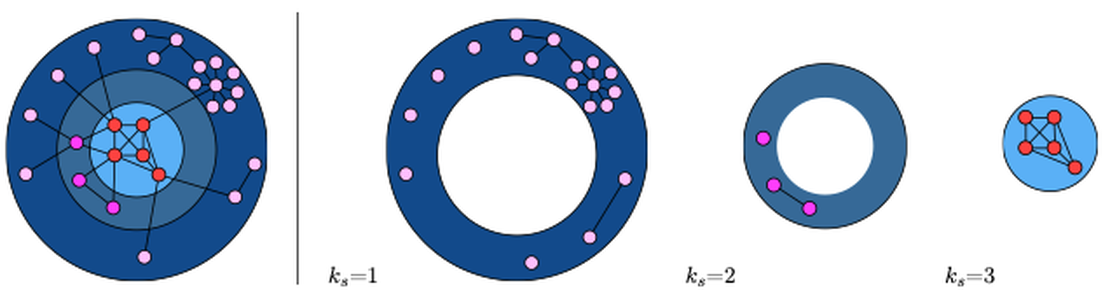
The Role Of Network Embeddedness On The Selection Of Collaboration Partners: An Agent-Based Model With Empirical Validation
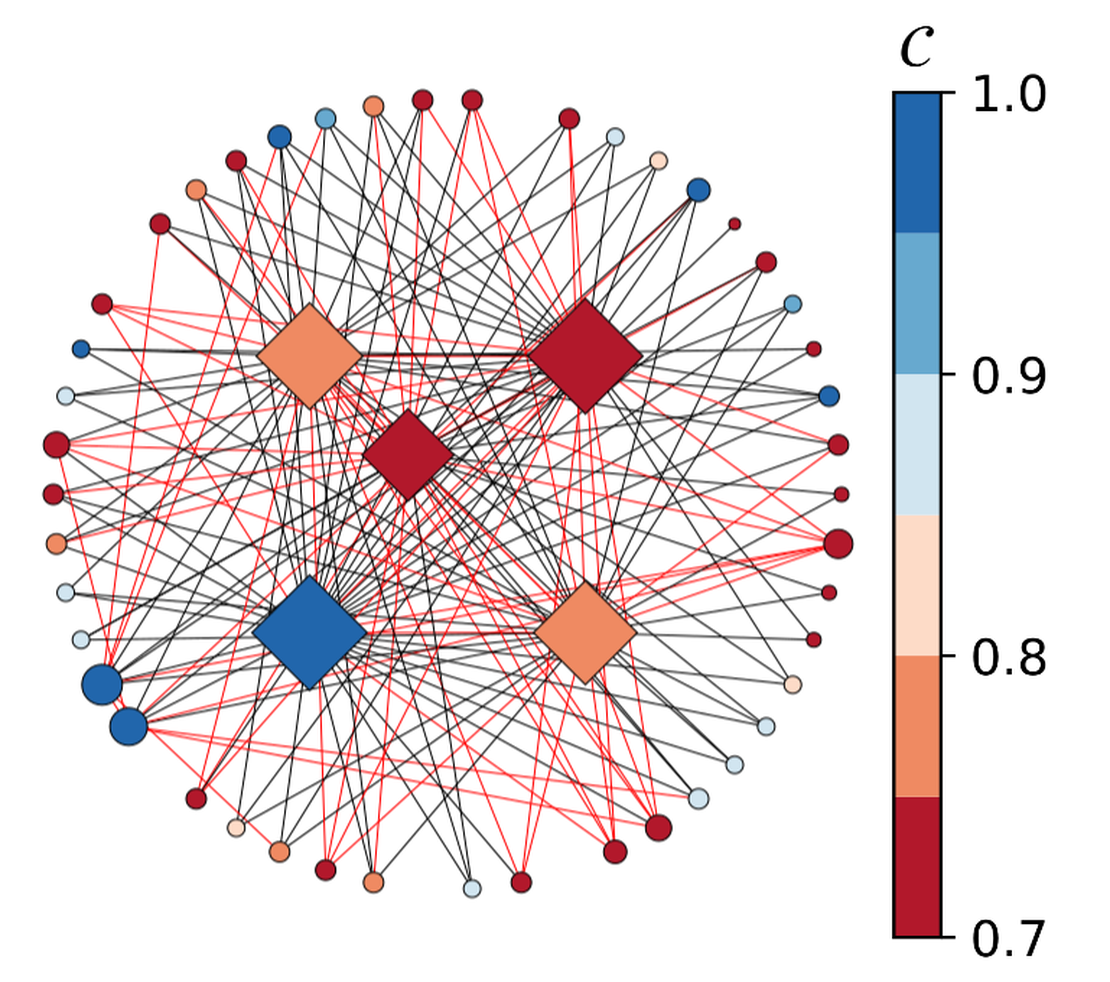
Scientists study the role of network embeddedness in collaboration partner selection using an agent-based model. The model reproduces empirical coreness differences of collaboration partners and explains why high network embeddedness leads to a change in partner selection. The study focuses on two types of collaborations: R&D alliances between firms and co-authorship relations between scientists. The model's results suggest that agents with high network embeddedness are more likely to select partners that are already well-connected within the network. This has implications for the design of collaboration systems and the understanding of how agents form collaborations.
Read More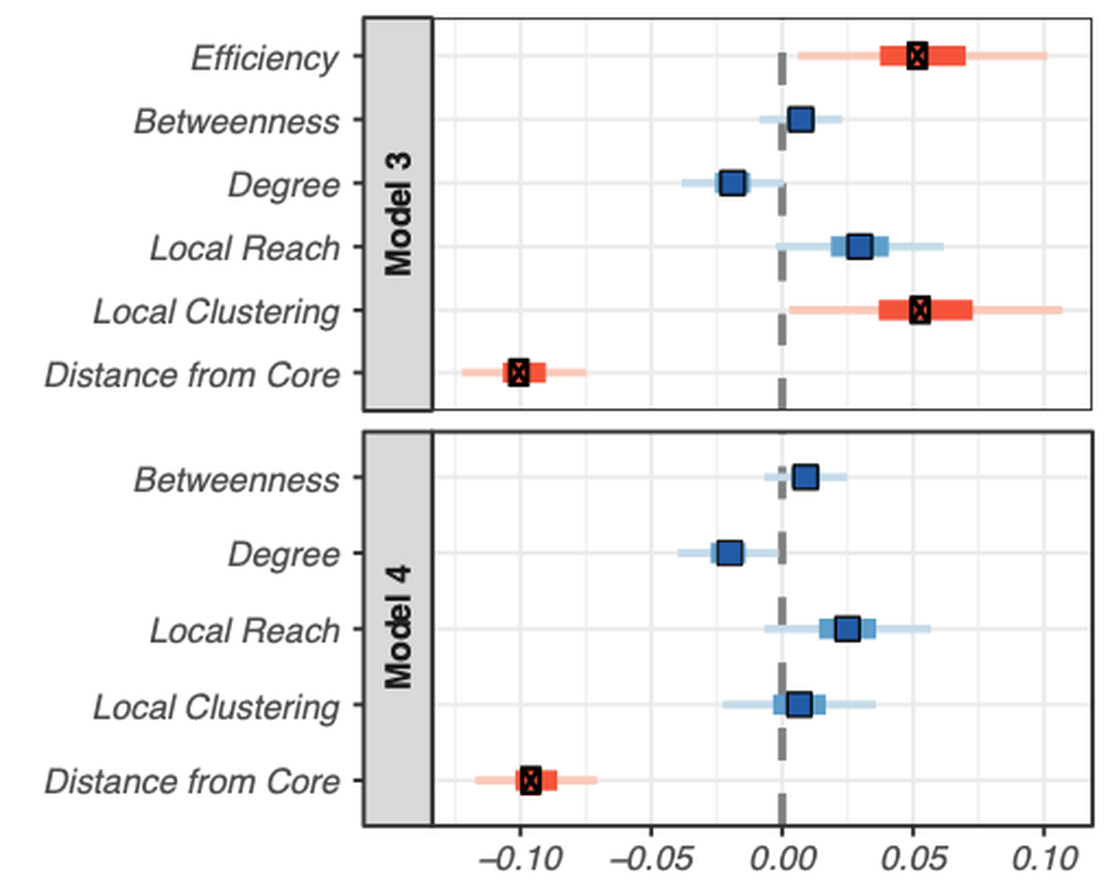
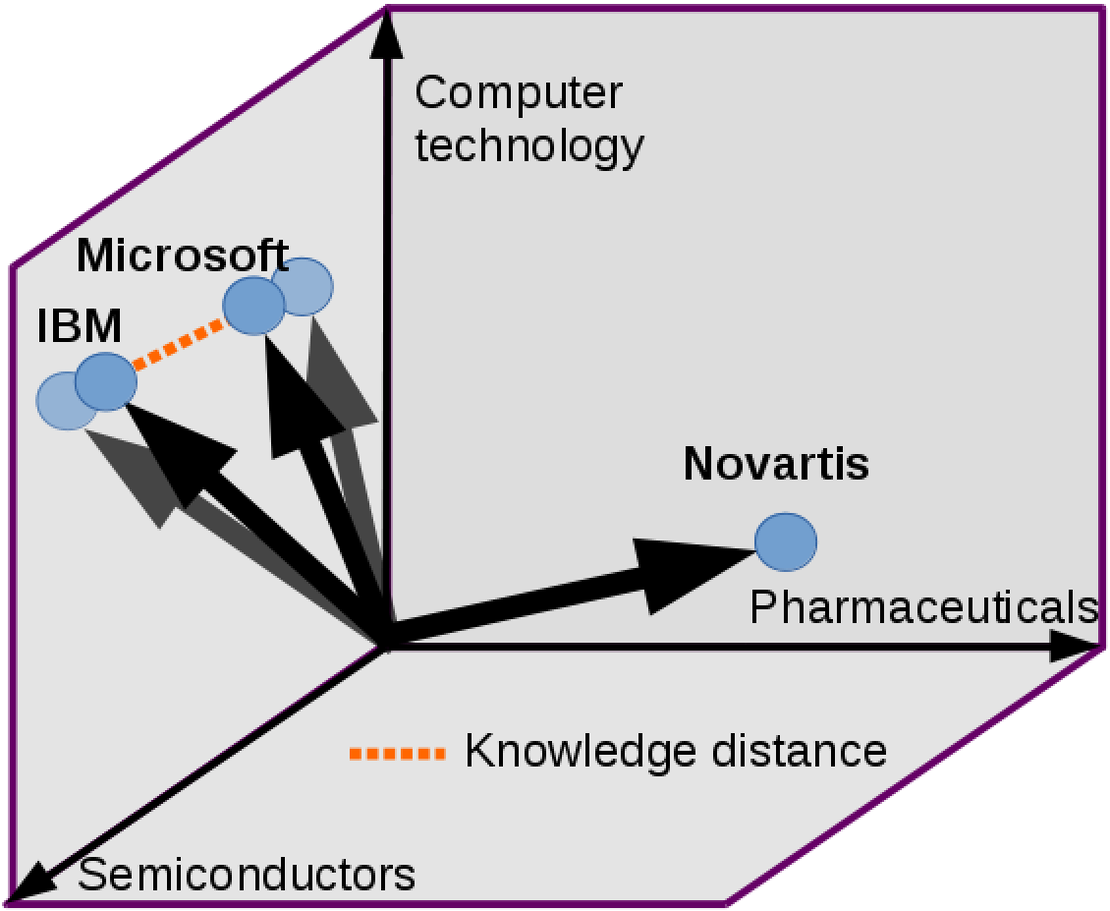
Network embeddedness indicates the innovation potential of firms
The R&D network of 14,000 firms over 25 years was reconstructed to understand how network embeddedness affects innovation potential. This study found that firms with higher weighted k-core centrality have a higher innovation output. This means that being well-connected in the network can lead to more patents.
Read More