Coexistence of balance and hierarchies: An ego perspective to explain empirical networks
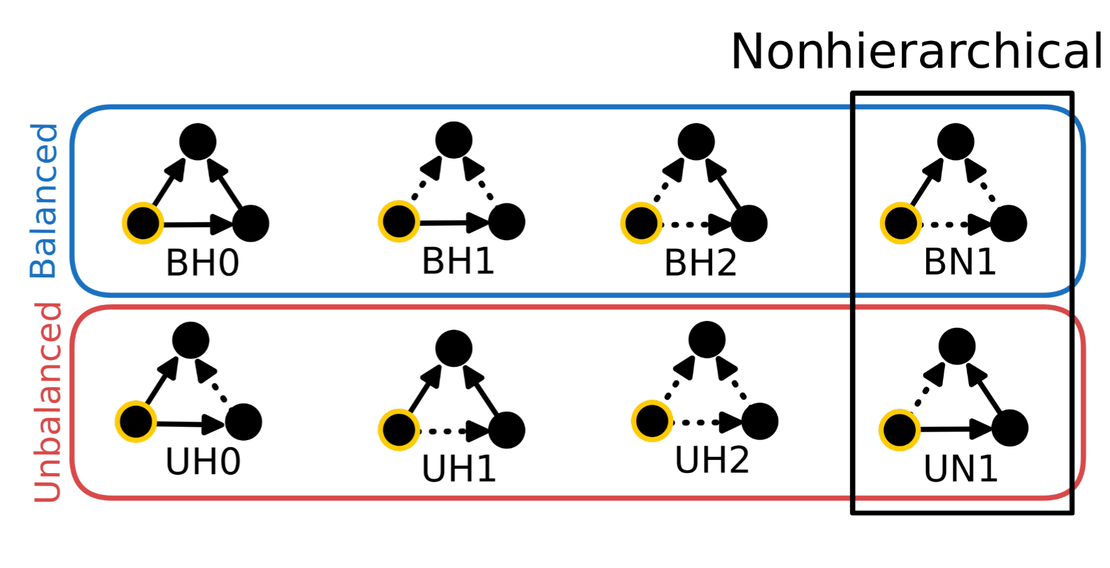
How do people change positive and negative relations in social networks? Two conflicting mechanisms, balance and status hierarchies, coexist and influence each other. The mechanisms are integrated into an agent-based model where individuals aim to resolve inconsistencies with balance and status. By fitting the model to real-world networks, one can successfully replicate observed patterns in social networks. The study suggests that social configurations may be fragile and vulnerable to disruptions.
Read More
Efficiency and resilience: Key drivers of distribution network growth
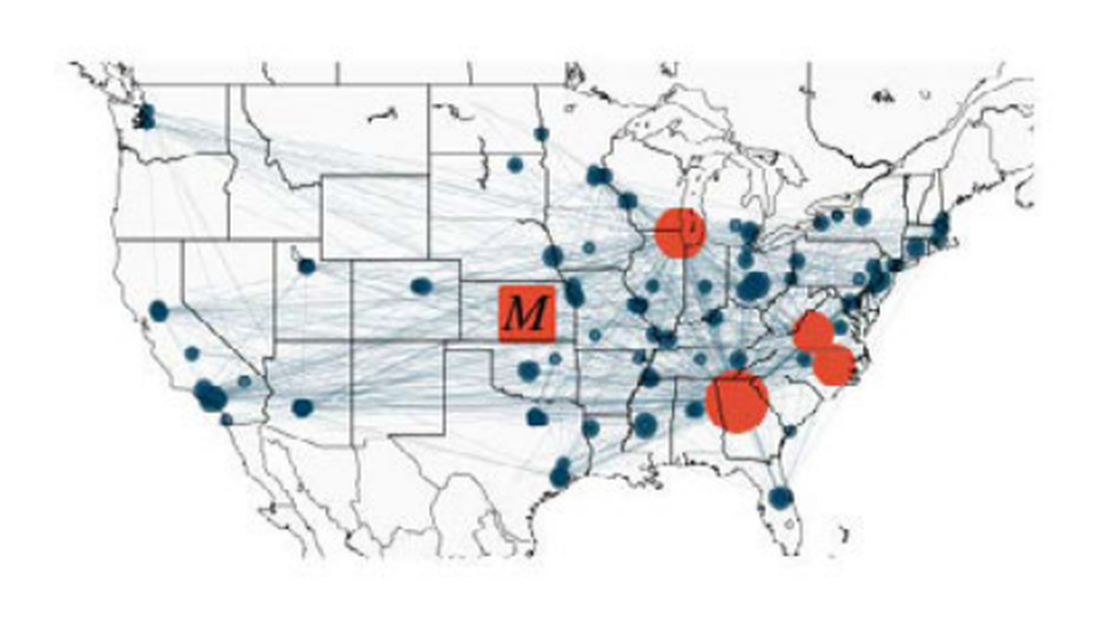
Distribution networks, which supply goods from manufacturers to final buyers, are crucial for a functioning economy. A network model is proposed to describe the emergence and growth of these networks. The model considers two firm-level practices: centralization and multi-sourcing. Centralization enhances network efficiency by using short distribution paths, while multi-sourcing fosters resilience by providing multiple distribution paths. The model was validated using data on drug shipments in the US, and it successfully replicates several structural features of the empirical networks, including their out-degree and path length distributions, as well as their resilience and efficiency properties. The findings suggest that the proposed firm-level practices effectively capture the network growth process that leads to the observed structures.
Read More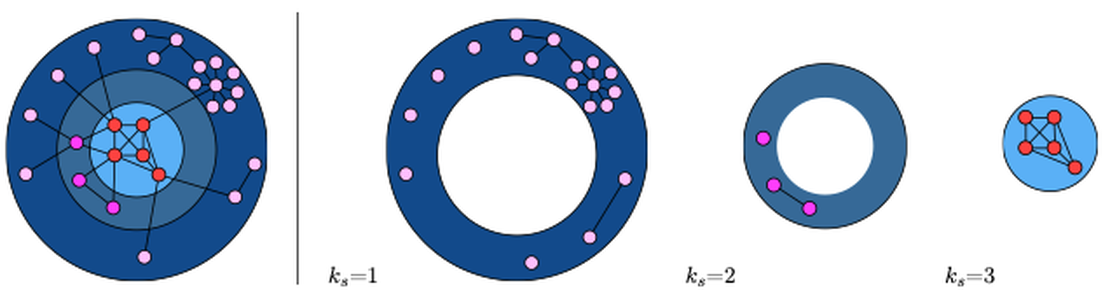
The Role Of Network Embeddedness On The Selection Of Collaboration Partners: An Agent-Based Model With Empirical Validation
Scientists study the role of network embeddedness in collaboration partner selection using an agent-based model. The model reproduces empirical coreness differences of collaboration partners and explains why high network embeddedness leads to a change in partner selection. The study focuses on two types of collaborations: R&D alliances between firms and co-authorship relations between scientists. The model's results suggest that agents with high network embeddedness are more likely to select partners that are already well-connected within the network. This has implications for the design of collaboration systems and the understanding of how agents form collaborations.
Read More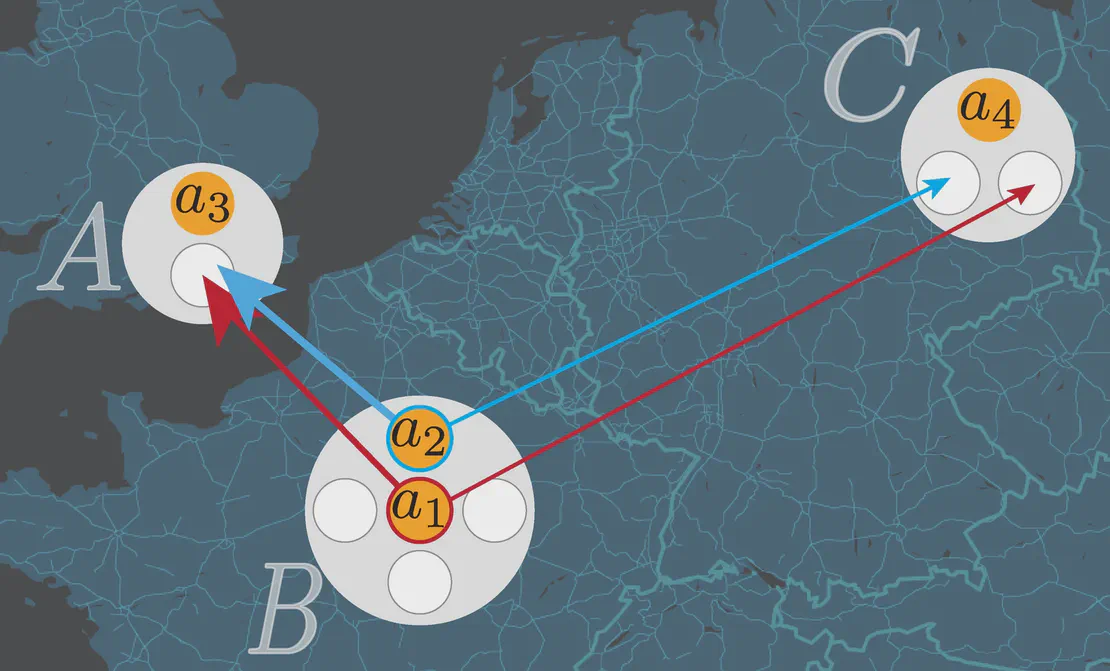
Agent-based Modelling of Social Systems
Course Description Individuals live in groups! Their weave of dynamical and differentiated interactions results in complex societies, whose properties and ruling principles can only be fully unraveled when studying the underlying social system from a formal standpoint.
Read More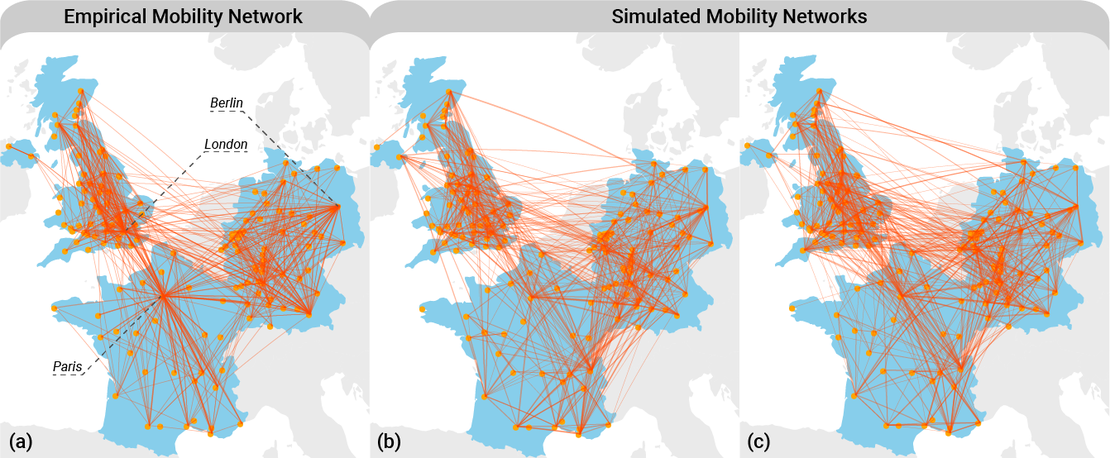
Reproducing scientists' mobility: a data-driven model
Scientists often move around the world to share ideas and work together, but how do these moves actually happen? This study looked at millions of career paths to map out how researchers travel between cities, countries and institutions. It found that most scientists prefer to move shorter distances, usually less than 1000 kilometers, and tend to choose places that are both close and well-regarded. The research also showed that the way we visualize these moves changes depending on the scale. At the city level, scientists move more freely, while at the country or institution level, clear pathways called “knowledge corridors” emerge. This helps us understand how knowledge spreads and how scientific careers develop over time, with important implications for both scientists and policymakers.
Read More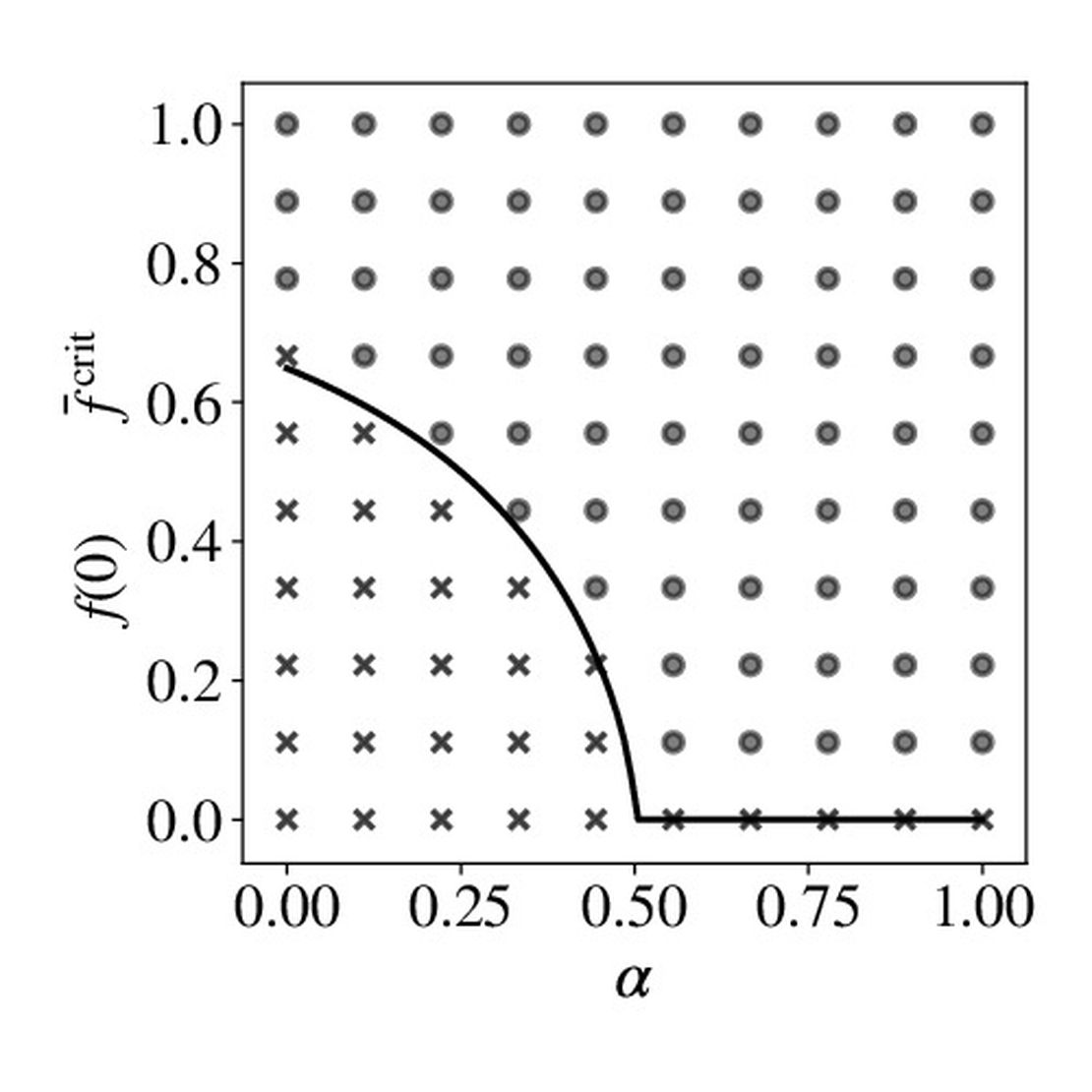
Should the government reward cooperation? Insights from an agent-based model of wealth redistribution
A multi-agent model was used to investigate how government bonuses impact cooperation. The model showed that bonuses can promote cooperation, especially in a global information regime. In this regime, the critical bonus needed to encourage cooperation decreases as the level of cooperation increases. This allows the government to lower tax rates while maintaining high cooperation levels.
Read More