Publications
- Home /
- Publications
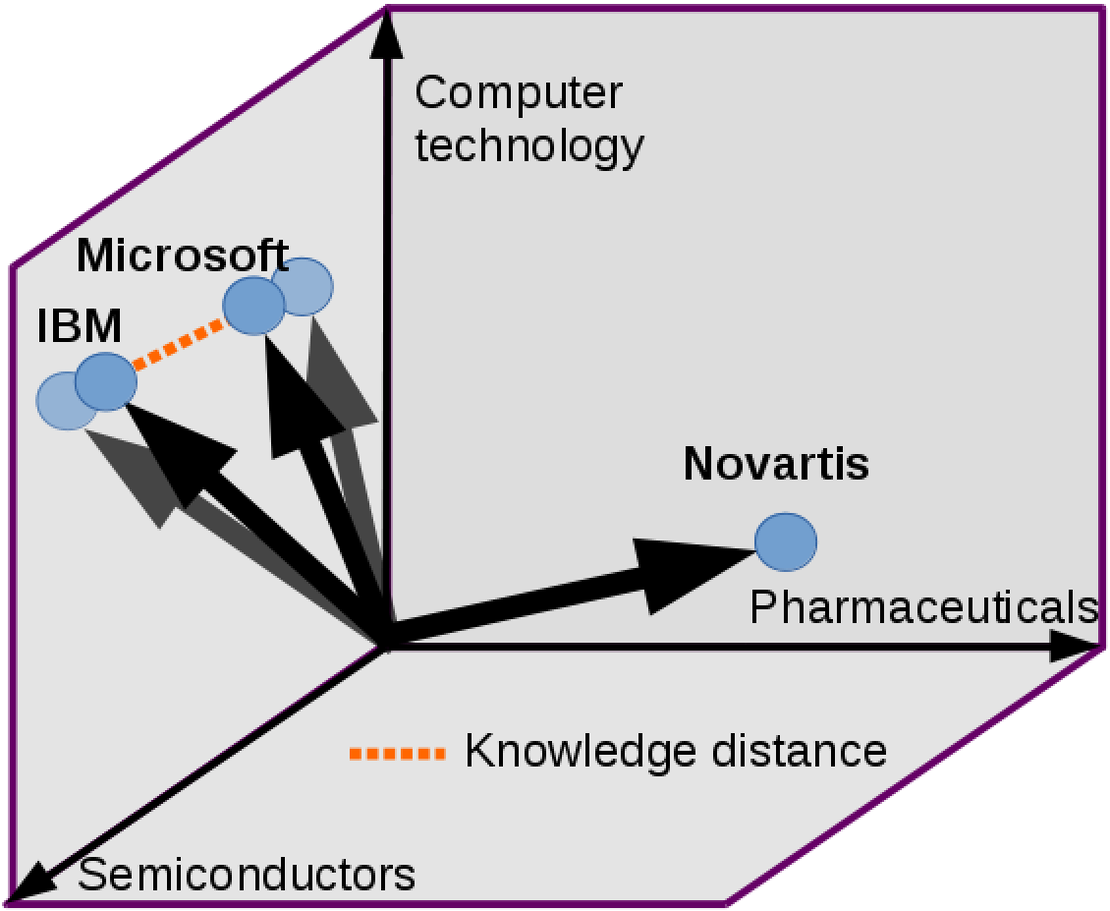
Quantifying knowledge exchange in R&D networks: A data-driven model
- Giacomo Vaccario , Mario Vincenzo Tomasello , Claudio Juan Tessone , Frank Schweitzer
- Economic networks , Data driven models , Agent based models
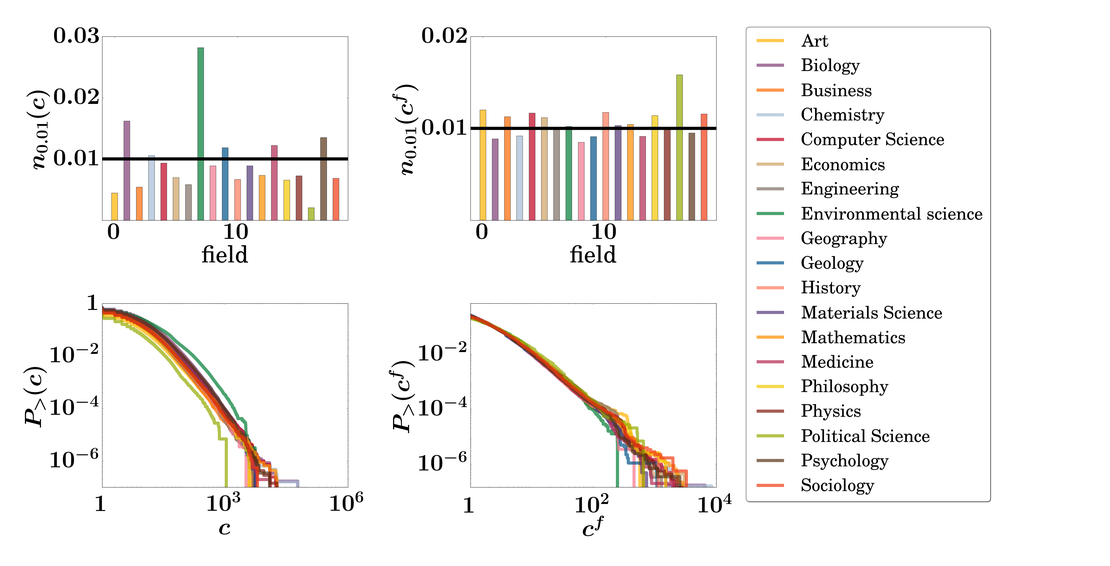
Quantifying and suppressing ranking bias in a large citation network
- Giacomo Vaccario , Matus Medo , Nicolas Wider , Manuel S. Mariani
- Science of science , Network theory
Citation counts for papers from different fields can't be compared directly because they adopt different citation practices. Researchers have proposed various procedures to suppress these biases, but a new statistical framework shows that existing indicators, including the relative citation count, are still biased by paper field and age. A new normalization procedure motivated by the z-score produces much less biased rankings when applied to citation count and PageRank score. The problem of achieving an ideal unbiased ranking of publications remains open.
Read More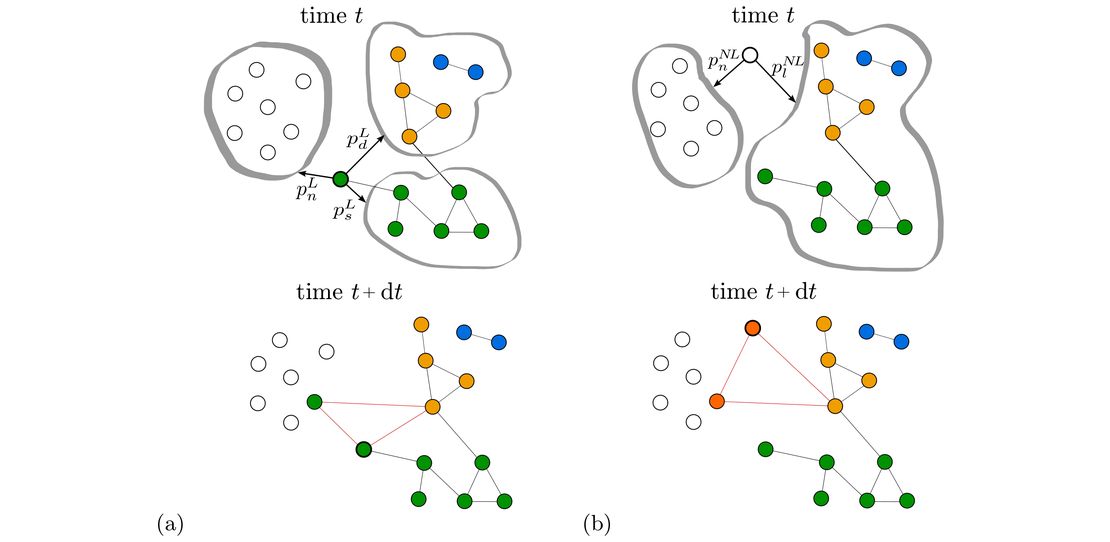
Data-driven modeling of collaboration networks: A cross-domain analysis
The analysis shows that collaboration networks from two different domains, economics and science, share common structural features. A data-driven modeling approach was used to calibrate agent-based models for each domain, which were then validated by reproducing network features not used for calibration. The results indicate that newcomers in R&D collaborations prefer links with established agents, while newcomers in co-authorship relations prefer links with other newcomers. This sheds new light on the role of endogenous and exogenous factors in network formation.
Read MoreTags
- Agent-Based Models
- Agentic AI
- Automation
- AutoML
- Cooperation and Opinion Dynamics
- Courses
- Data Science
- Data-Driven Models
- Economic Networks
- Game Theory
- Generative AI
- LLM
- Machine Learning
- Network Theory
- Pharmaceuticals
- Resilience
- Science Communication
- Science of Science
- Serious Games
- Signed Relations
- Structural Balance
- Supply Chain
- Sustainability
- System Thinking
- Wood in Construction