Adapting to disruptions: Managing supply chain resilience through product rerouting

Abstract

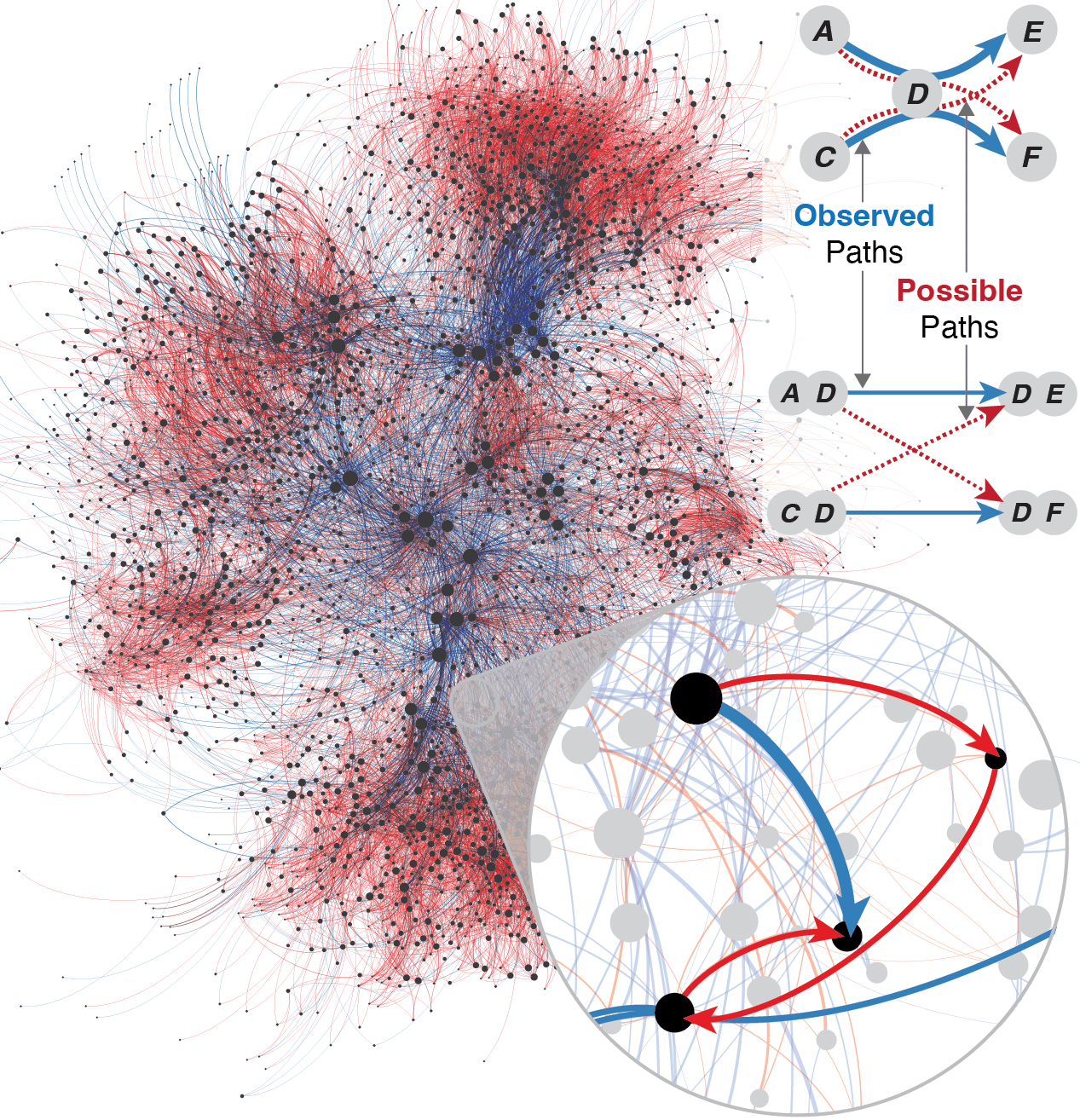
Supply chain disruptions may cause shortages of essential goods, affecting millions of individuals. We propose a perspective to address this problem via reroute flexibility. This is the ability to substitute and reroute products along existing pathways, hence without requiring the creation of new connections. To showcase the potential of this approach, we examine the US opioid distribution system. We reconstruct over 40 billion distribution routes and quantify the effectiveness of reroute flexibility in mitigating shortages. We demonstrate that flexibility (i) reduces the severity of shortages and (ii) delays the time until they become critical. Moreover, our findings reveal that while increased flexibility alleviates shortages, it comes at the cost of increased complexity: We demonstrate that reroute flexibility increases alternative path usage and slows down the distribution system. Our method enhances decision-makers’ ability to manage the resilience of supply chains.
Related Posts

Modeling social resilience: Questions, answers, open problems

Modeling social resilience: Questions, answers, open problems

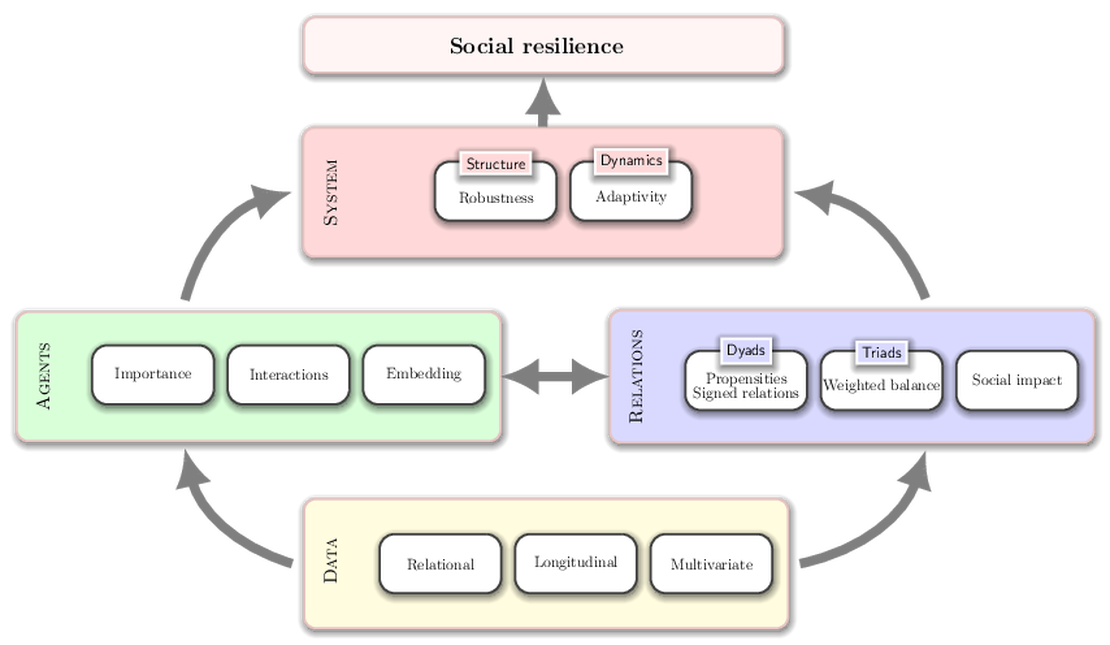
A four-step framework is developed to quantify social resilience in highly volatile organizations. The framework combines agent-based and network models to assess robustness and adaptivity. Instantaneous monitoring is possible using longitudinal data, shifting attention from micro configurations to macro-properties of social networks.

Read More
Modeling the impact of environmental consciousness on the supply-demand relationship between firms and customers

Modeling the impact of environmental consciousness on the supply-demand relationship between firms and customers

The study models the impact of environmental consciousness on the supply-demand relationship between firms and customers. Environmental consciousness can lead to supply-demand deficits, but customers forming unconditional supply links and firms improving their environmental-friendly production can mitigate these deficits. The results show that this approach can inform policies to reduce both supply-demand deficits and environmental pollution.

Read More
Network embeddedness indicates the innovation potential of firms

Network embeddedness indicates the innovation potential of firms

The R&D network of 14,000 firms over 25 years was reconstructed to understand how network embeddedness affects innovation potential. This study found that firms with higher weighted k-core centrality have a higher innovation output. This means that being well-connected in the network can lead to more patents.

Read More