The Role Of Network Embeddedness On The Selection Of Collaboration Partners: An Agent-Based Model With Empirical Validation
- Frank Schweitzer , Antonios Garas , Mario V. Tomasello , Giacomo Vaccario , Luca Verginer
- Data driven models , Economic networks , Agent based models
- August 29, 2022 Official Link
Scientists study the role of network embeddedness in collaboration partner selection using an agent-based model. The model reproduces empirical coreness differences of collaboration partners and explains why high network embeddedness leads to a change in partner selection. The study focuses on two types of collaborations: R&D alliances between firms and co-authorship relations between scientists. The model's results suggest that agents with high network embeddedness are more likely to select partners that are already well-connected within the network. This has implications for the design of collaboration systems and the understanding of how agents form collaborations.
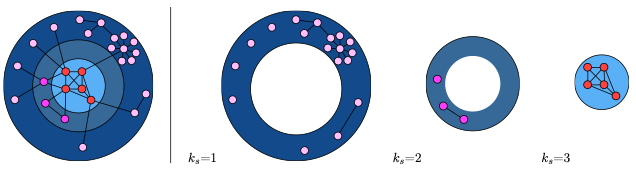
Collaboration networks show a pronounced core –periphery structure, where a small, but highly integrated core of agents coexists with a large and sparse periphery.
Why This Matters for Scientists
As a scientist, you may want to consider how the network position of agents affects the selection of collaboration partners when designing your own collaboration system. The study's findings suggest that agents with high network embeddedness are more likely to select partners that are already well-connected within the network.
Quick Technical Overview
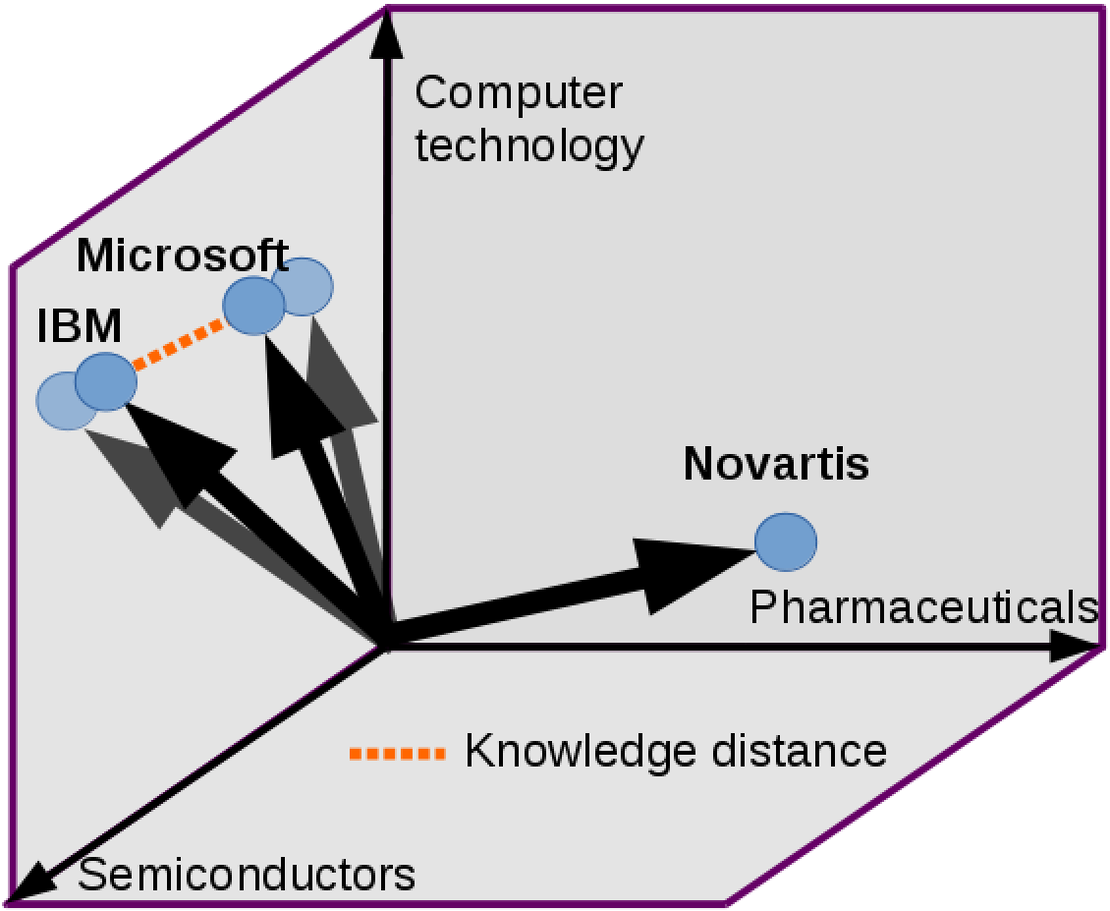
The study uses an agent-based model to analyze two types of collaborations: R&D alliances between firms and co-authorship relations between scientists. The model's novelty lies in its ability to reproduce empirical coreness differences of collaboration partners and explain why high network embeddedness leads to a change in partner selection.
The details of our agent-based model and its calibration for the two di®erent systems are explained in Sec. 2.
Summary for Policy Makers
The study's findings have implications for the design of collaboration systems and the understanding of how agents form collaborations. Agents with high network embeddedness are more likely to select partners that are already well-connected within the network, which can lead to the formation of more effective collaborations. This has important implications for policymakers and stakeholders who seek to promote collaboration and innovation.
Collaboration networks show a pronounced core –periphery structure, where a small, but highly integrated core of agents coexists with a large and sparse periphery.
Disclaimer
The above summaries were generated with the assistance of an AI system.
Abstract
We use a data-driven agent-based model to study the core–periphery structure of two collaboration networks, R&D alliances between firms and co-authorship relations between scientists. To characterize the network embeddedness of agents, we introduce a coreness value obtained from a weighted k-core decomposition. We study the change of these coreness values when collaborations with newcomers or established agents are formed. Our agent-based model is able to reproduce the empirical coreness differences of collaboration partners and to explain why we observe a change in partner selection for agents with high network embeddedness.