Knowledge in socio-economic systems - Insights from collaboration, mobility, and data-driven models
- Giacomo Vaccario
- Network theory , Data science , Science of science , Agent based models , Science communication
- October 31, 2024
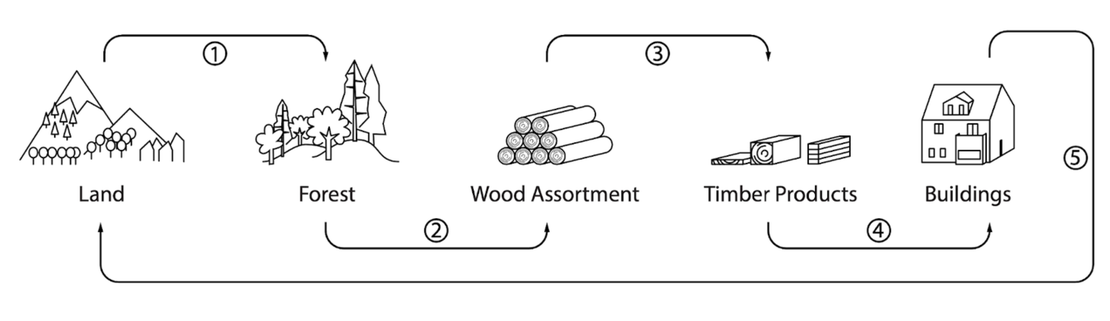
The building sector is one of the highest CO2 emitters, and thanks to modern technologies, using more sustainable construction materials can help deliver net-zero emissions as well as good housing. Using timber would not only increase carbon storage in our buildings, but would also avoid the CO2 emissions of conventional building materials such as concrete - which is still the default.
Read More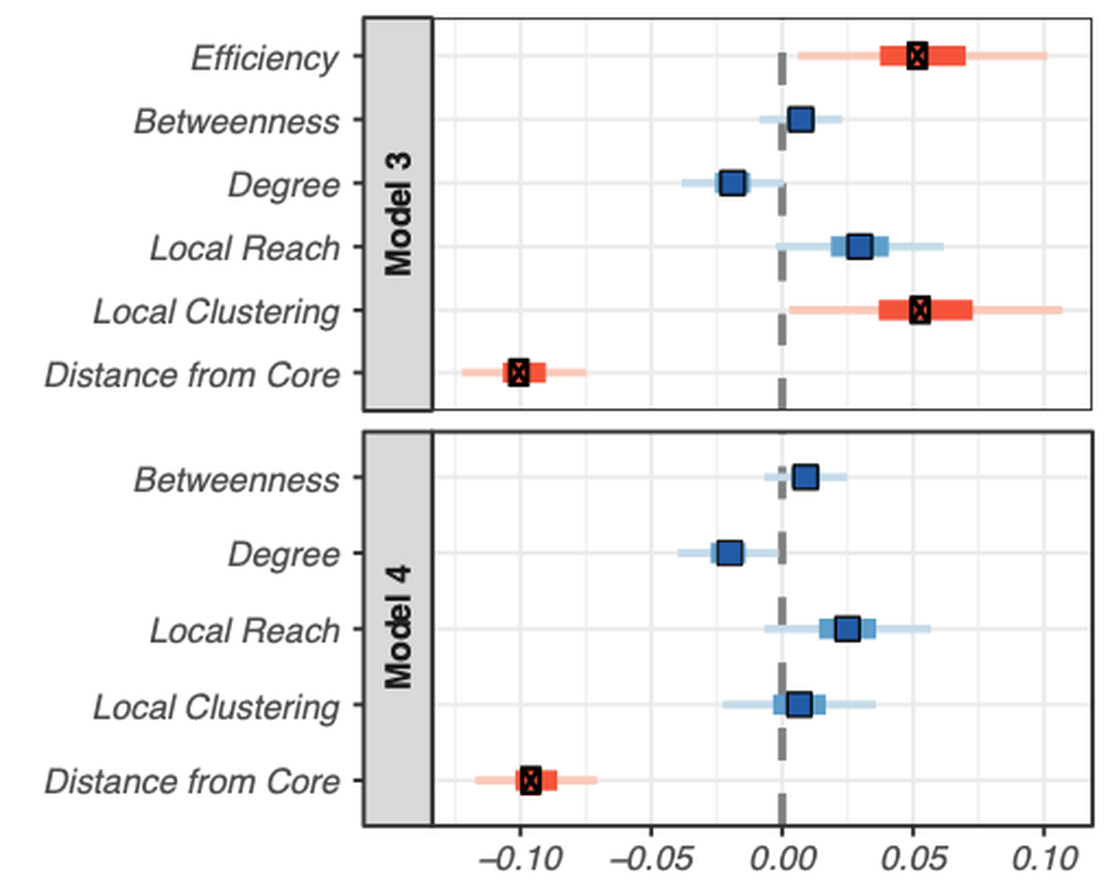
The R&D network of 14,000 firms over 25 years was reconstructed to understand how network embeddedness affects innovation potential. This study found that firms with higher weighted k-core centrality have a higher innovation output. This means that being well-connected in the network can lead to more patents.
Read More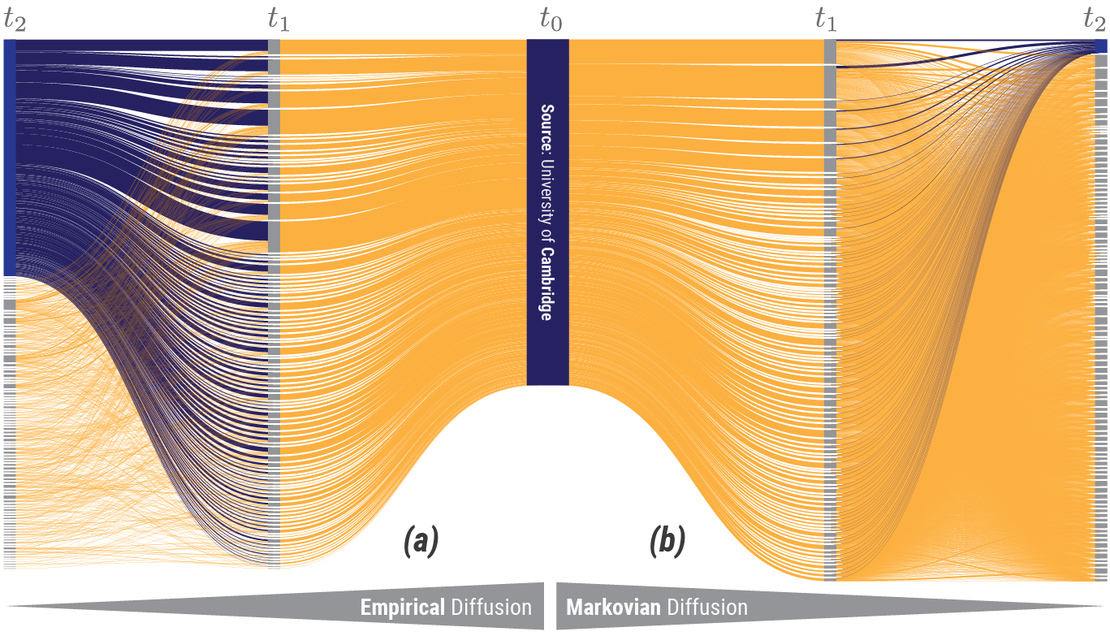
The study of scientist mobility is important for knowledge exchange and understanding the career trajectories of scientists. The researchers analyzed 3.5 million career trajectories of scientists using a novel method of higher-order networks. They found strong evidence for temporal correlations at the level of universities, indicating that scientists tend to move between specific institutions. These correlations also exist at the level of countries but not cities. The results have implications for the efficiency of mobility programs and the institutional path dependence of scientific careers.
Read More