Success in Science - Special Issue

Success in Science - Special Issue

  • Giacomo Vaccario , Luca Verginer , Alexander M. Petersen
  • December 7, 2021
Table of Contents

Scientific Networks and Success

Every researcher is affected by how scientific performance is measured. How should it be measured? Do we have the right data to do it? How can we make it fair and unbiased?

Now online!

Our special issue on the Success in Science is now available online. In this issue, we collect and present developments in the field of Science of Science under a complex system perspective. The special issue is the result of presentations and discussions at the satellite Scientific Networks and Success at CCS 2020.

This issue and the satellite would not have been possible without the valuable contributions of the authors, speakers and close collaboration of researchers at ETH Zürich and the University of California Merced. Specifically, we thank the Editors and Guest Editors of ACS and Organizers of the CCS satellite.

Editors

Foreword

The foreword of the special issue is available here.

We hope you enjoy the contributions in this special issue!
Related Posts

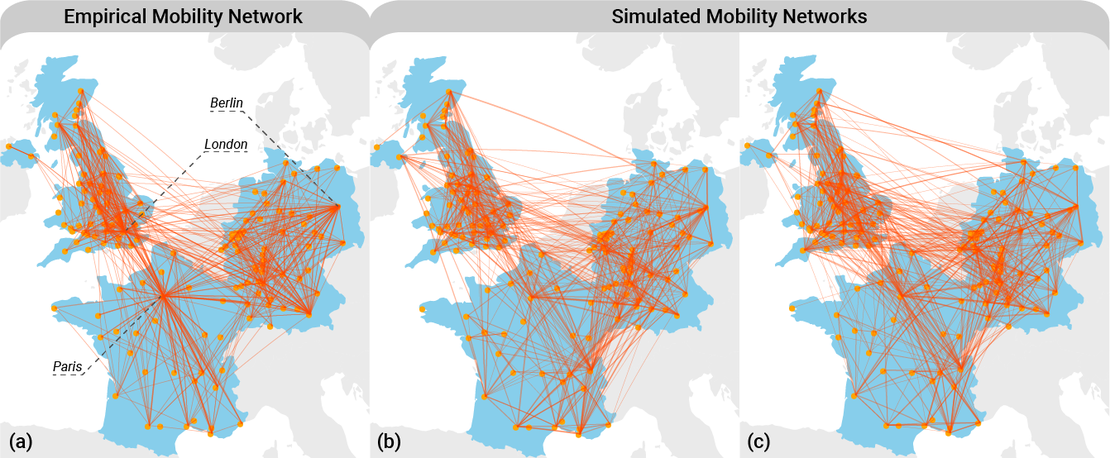
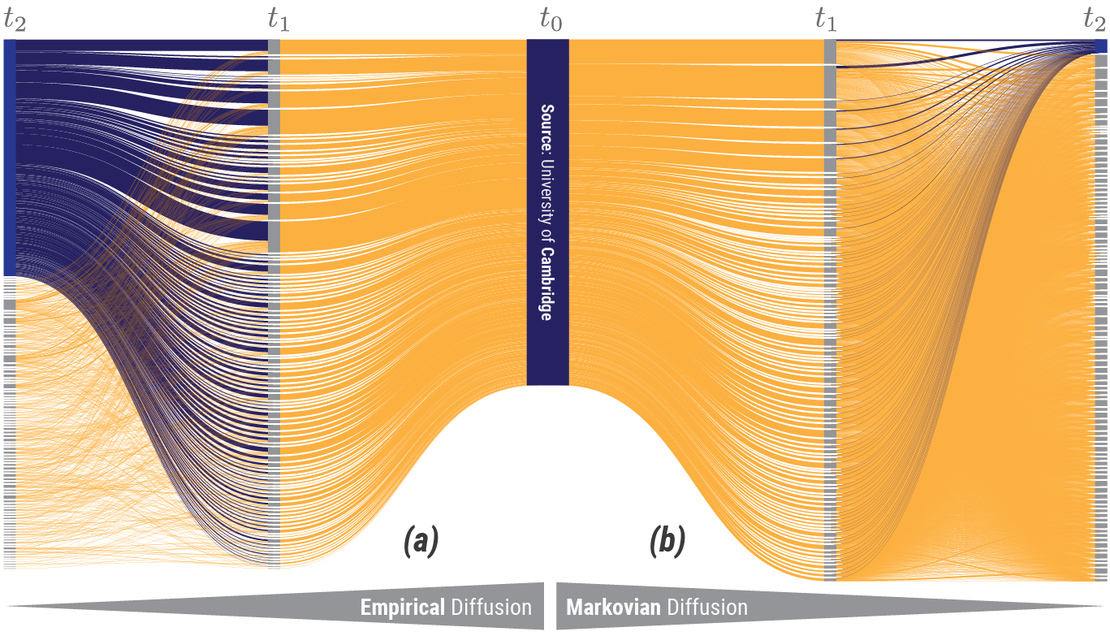
The mobility network of scientists: Analyzing temporal correlations in scientific careers

The mobility network of scientists: Analyzing temporal correlations in scientific careers

The study of scientist mobility is important for knowledge exchange and understanding the career trajectories of scientists. The researchers analyzed 3.5 million career trajectories of scientists using a novel method of higher-order networks. They found strong evidence for temporal correlations at the level of universities, indicating that scientists tend to move between specific institutions. These correlations also exist at the level of countries but not cities. The results have implications for the efficiency of mobility programs and the institutional path dependence of scientific careers.

Read More
Reproducing scientists' mobility: a data-driven model

Reproducing scientists' mobility: a data-driven model

Scientists often move around the world to share ideas and work together, but how do these moves actually happen? This study looked at millions of career paths to map out how researchers travel between cities, countries and institutions. It found that most scientists prefer to move shorter distances, usually less than 1000 kilometers, and tend to choose places that are both close and well-regarded. The research also showed that the way we visualize these moves changes depending on the scale. At the city level, scientists move more freely, while at the country or institution level, clear pathways called “knowledge corridors” emerge. This helps us understand how knowledge spreads and how scientific careers develop over time, with important implications for both scientists and policymakers.

Read More
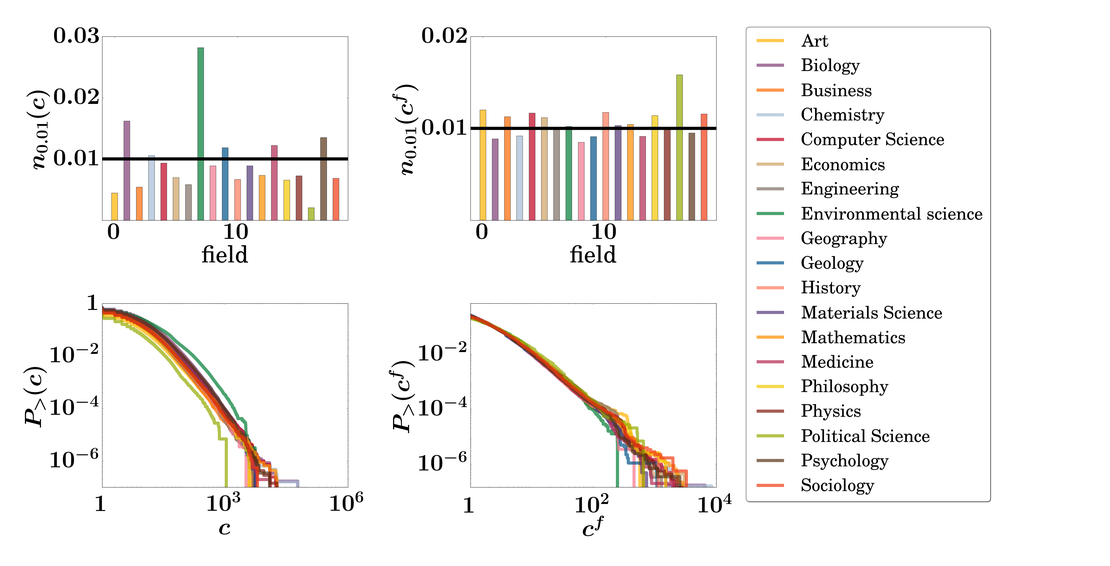
Quantifying and suppressing ranking bias in a large citation network

Quantifying and suppressing ranking bias in a large citation network

Citation counts for papers from different fields can't be compared directly because they adopt different citation practices. Researchers have proposed various procedures to suppress these biases, but a new statistical framework shows that existing indicators, including the relative citation count, are still biased by paper field and age. A new normalization procedure motivated by the z-score produces much less biased rankings when applied to citation count and PageRank score. The problem of achieving an ideal unbiased ranking of publications remains open.

Read More